menu
KONKELL CHAINSAW SHARPENER
Page 3 of 6
How to Test a Chainsaw Chain Brake Safely Chainsaw Safety

How to Test a Chainsaw Chain Brake Safely

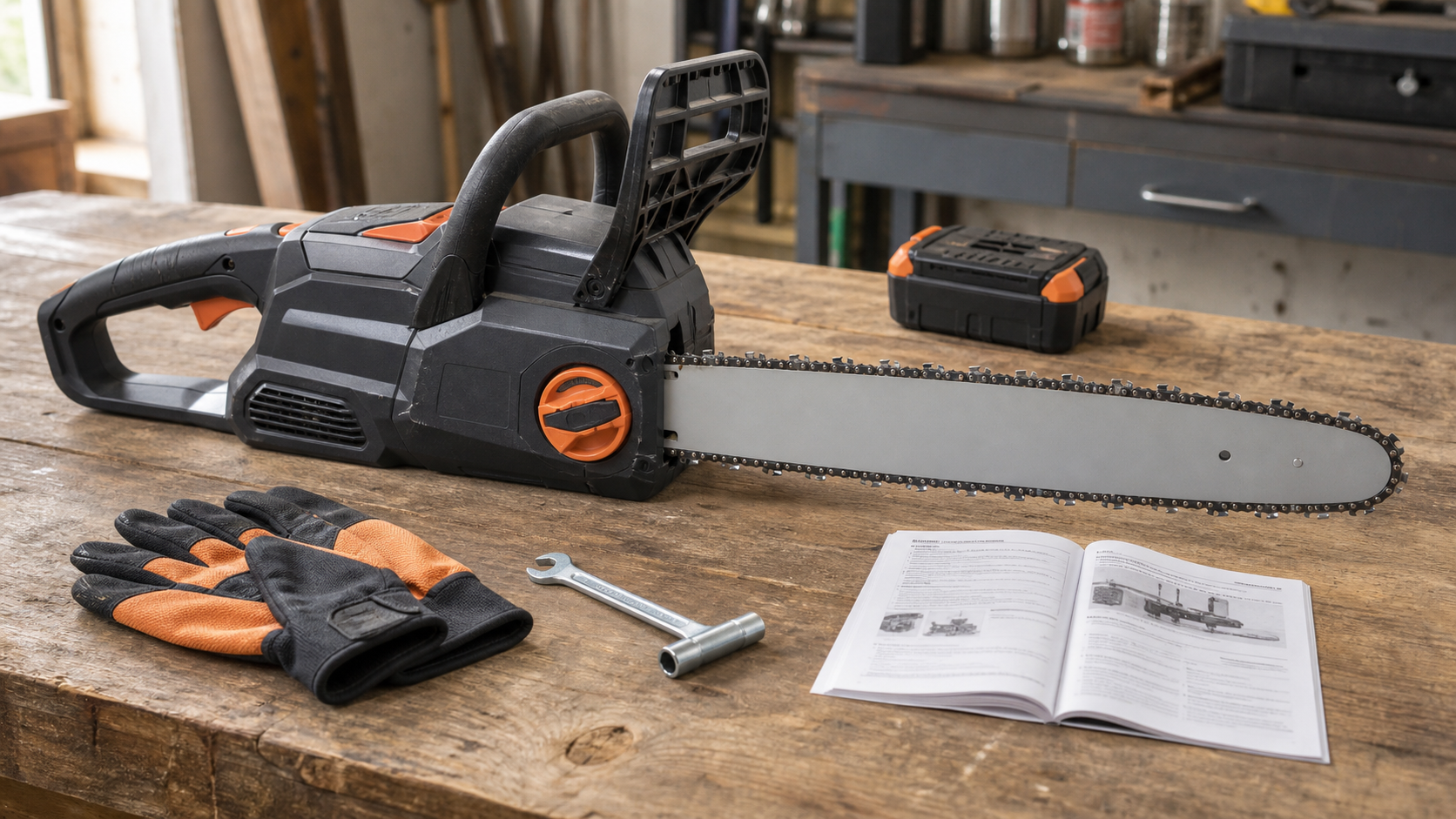
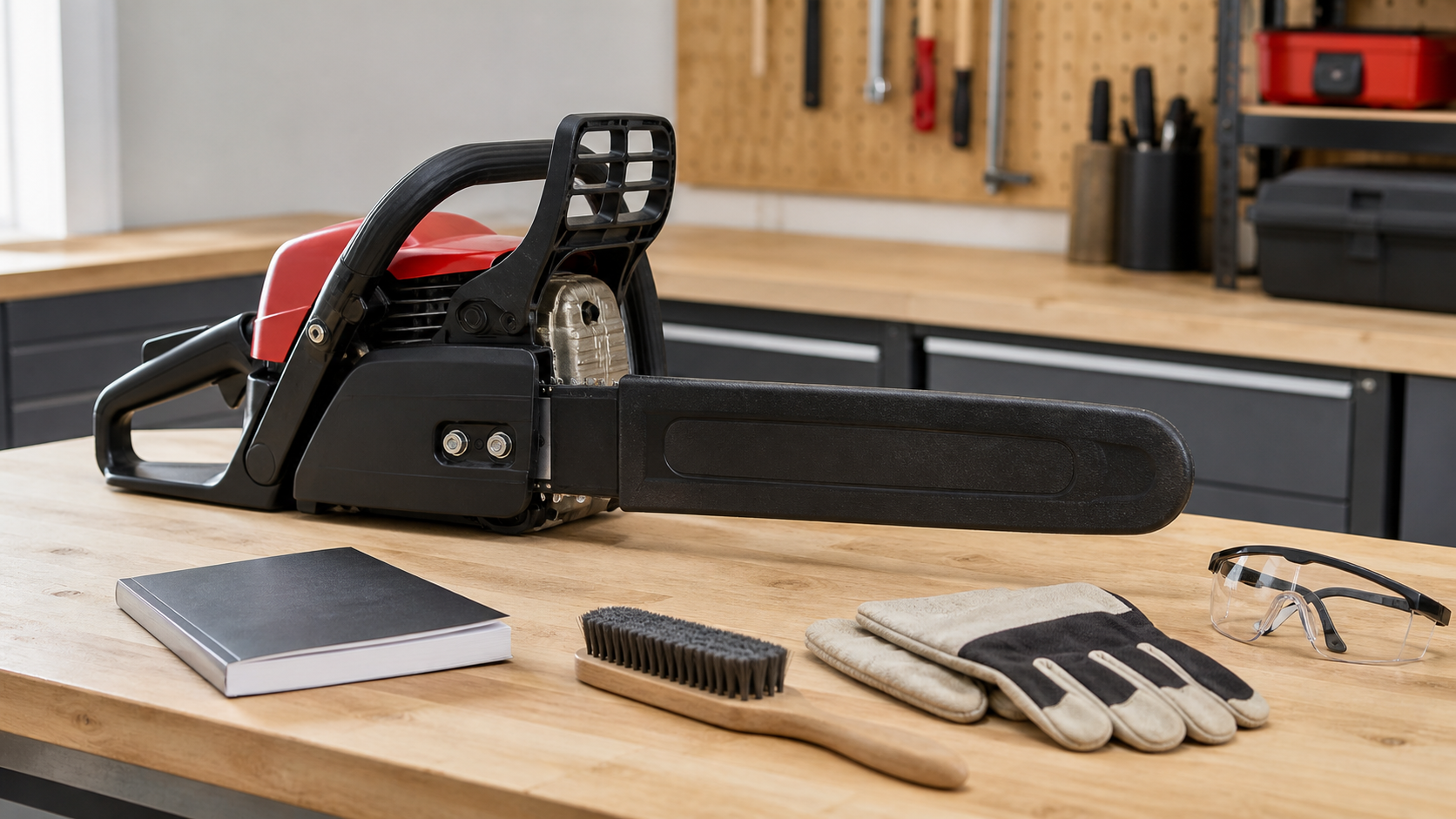
To test a chainsaw chain brake, first inspect the cooled, disabled saw, then perform only the stationary and functional checks specified in the operator manual for that exact model. Do not cut with the saw if the brake will not engage or release as documented, the hand guard or brake parts are damaged, its action has changed, or the chain fails to stop during the manufacturer’s prescribed check.

Read More arrow_forward
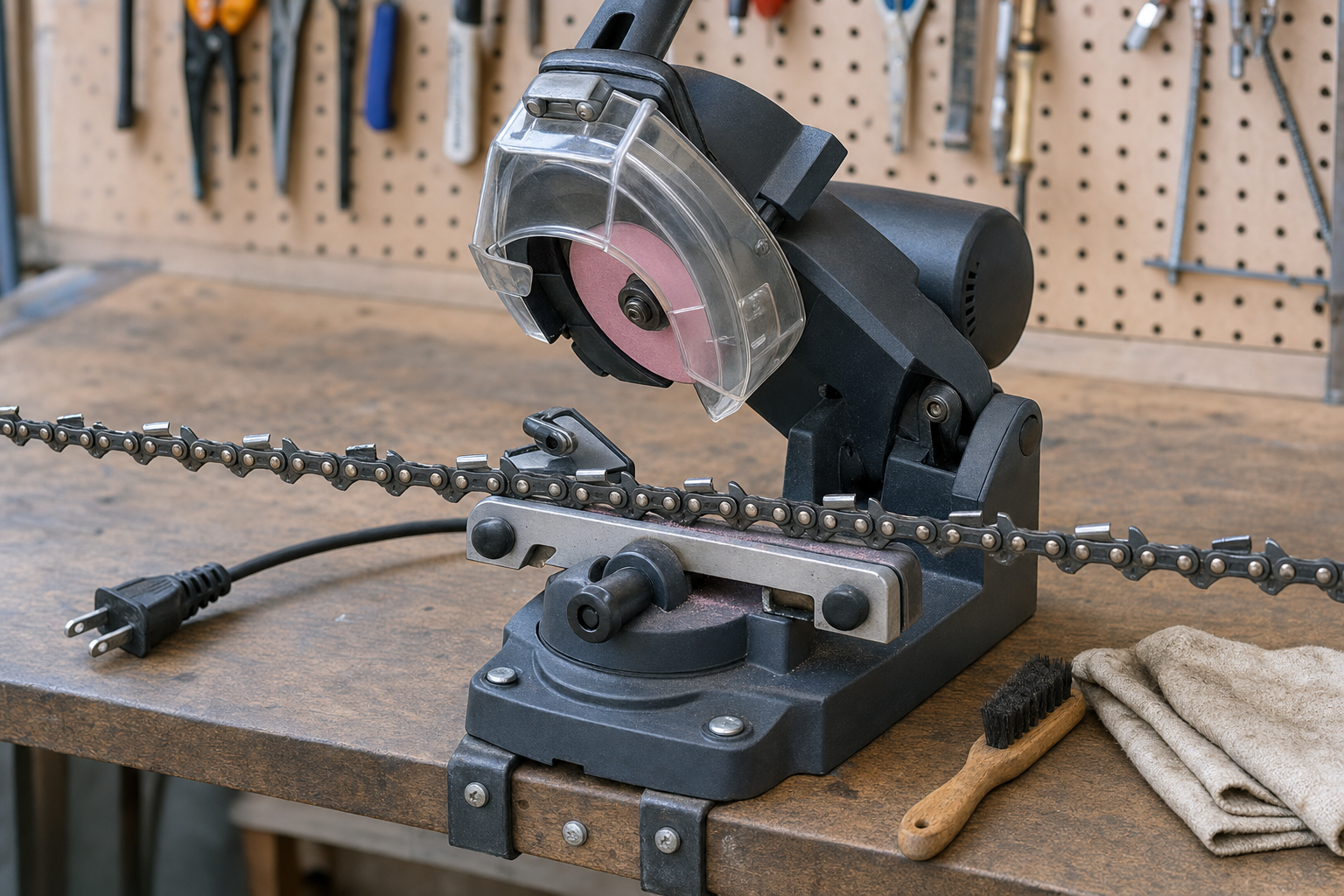
Chainsaw Sharpener Maintenance: Diagnose Drift Before Grinding Again Chainsaw Maintenance

Chainsaw Sharpener Maintenance: Diagnose Drift Before Grinding Again

Chainsaw sharpener maintenance starts with cleaning and inspecting the parts that locate the chain: the vise rails, cutter stop, angle plate, depth stop, pivots, and grinding wheel. If the machine has begun producing uneven cutters, heat marks, or changing contact points, disconnect it and find the source of the drift before grinding another full loop.

Read More arrow_forward
Chainsaw PPE for Firewood Cutting: Pre-Start Check Chainsaw Safety

Chainsaw PPE for Firewood Cutting: Pre-Start Check

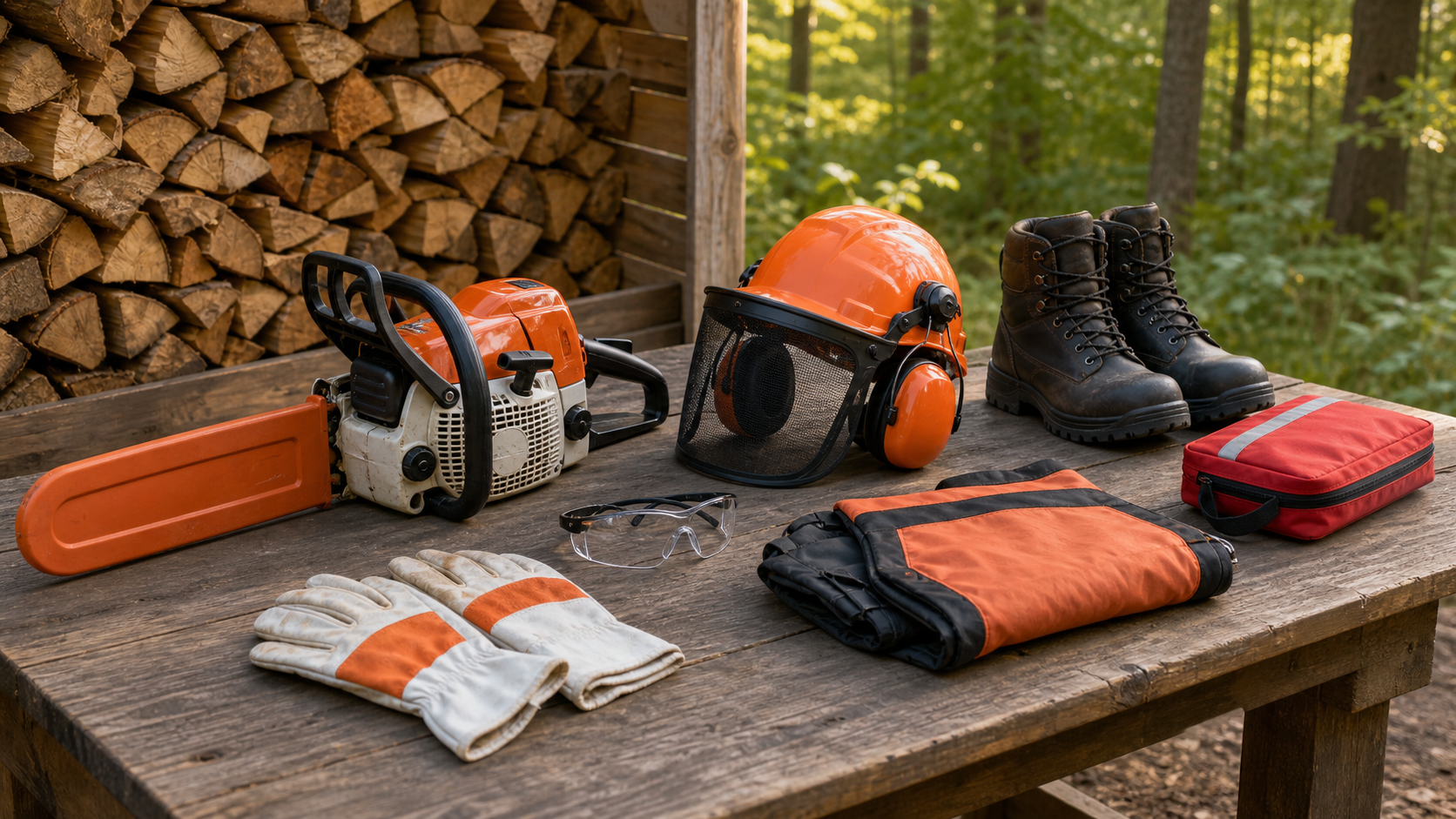
For ground-level firewood cutting, wear serviceable head, eye or face, hearing, hand, leg, and foot protection required by the saw manual, the job, and local rules before starting. Then check the wood, work area, and saw: PPE can reduce the severity of an injury, but it cannot make overhead, tensioned, unstable, or utility-involved wood acceptable to cut.

Read More arrow_forward
When to Replace a Chainsaw Guide Bar Maintenance

When to Replace a Chainsaw Guide Bar

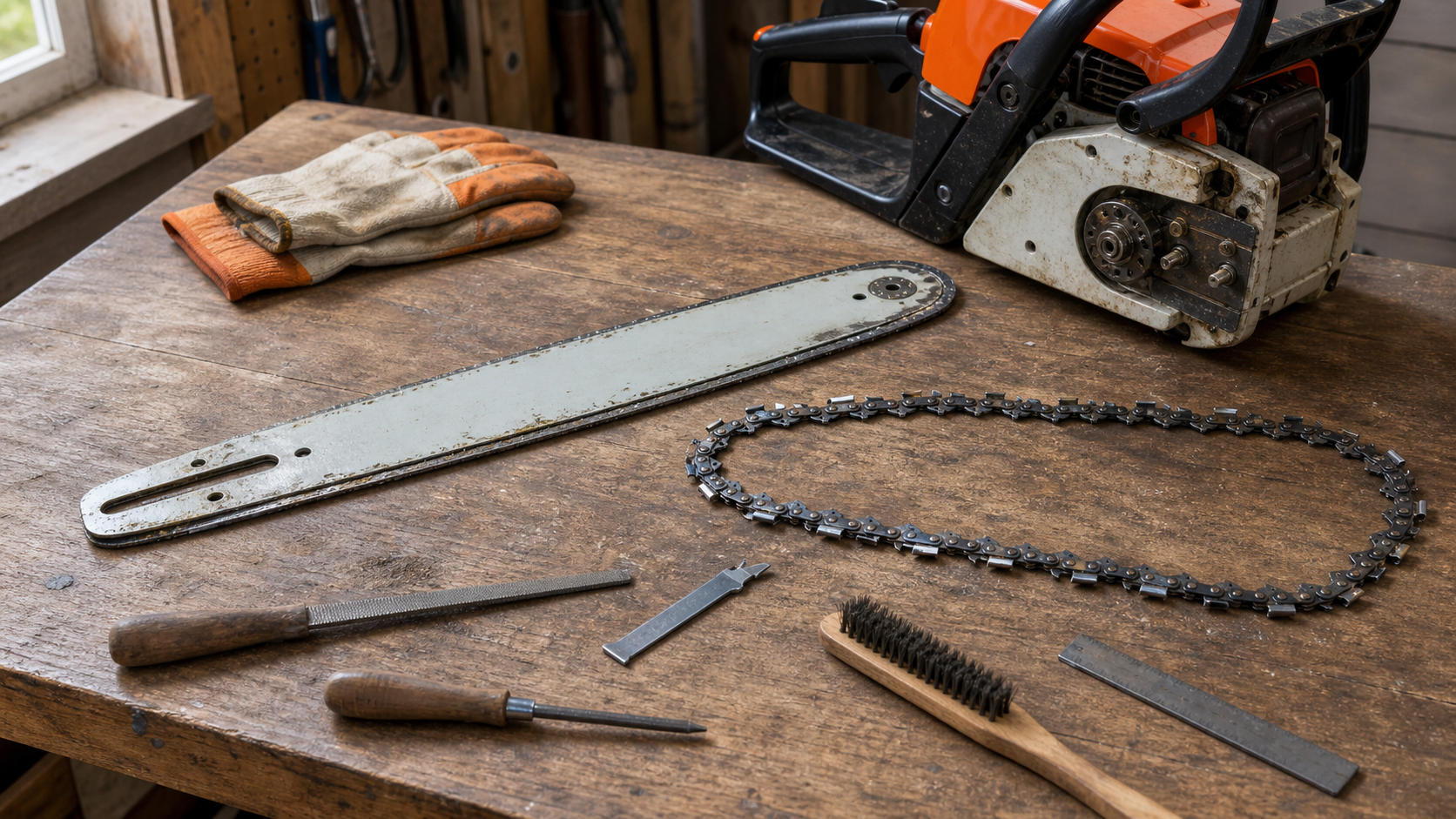
Replace a chainsaw guide bar when it is cracked, bent beyond the maker’s service procedure, badly heat-damaged, unable to hold a correct chain upright, or worn past the bar maker’s rail or groove limit. A crooked cut or hot bar alone is not enough: clean the groove and oil path, then confirm the symptom at a second inspection point before buying a bar.

Read More arrow_forward
When to Replace a Chainsaw Chain: Inspect Before Sharpening Maintenance

When to Replace a Chainsaw Chain: Inspect Before Sharpening

Replace a chainsaw chain when it has a crack, a broken or bent cutter or drive link, missing parts, or wear beyond the chain maker’s service marks. If the loop is intact and the cutters remain serviceable, sharpen it once with the correct equipment, then judge the result before buying a replacement.

Read More arrow_forward
How Tight Should a Chainsaw Chain Be? Check 3 Signs Chainsaw Maintenance

How Tight Should a Chainsaw Chain Be? Check 3 Signs

A cold chainsaw chain should sit against the underside of the guide bar without visible sag, move smoothly around the bar when the saw is disabled and the brake is released, and return to the groove after a gentle lift. Those are general checks—not a universal measurement—so use the tensioning sequence and acceptance limits in the manual for your exact saw and cutting attachment.

Read More arrow_forward
Chainsaw Chain Maintenance Checklist: Inspect in Order Maintenance

Chainsaw Chain Maintenance Checklist: Inspect in Order

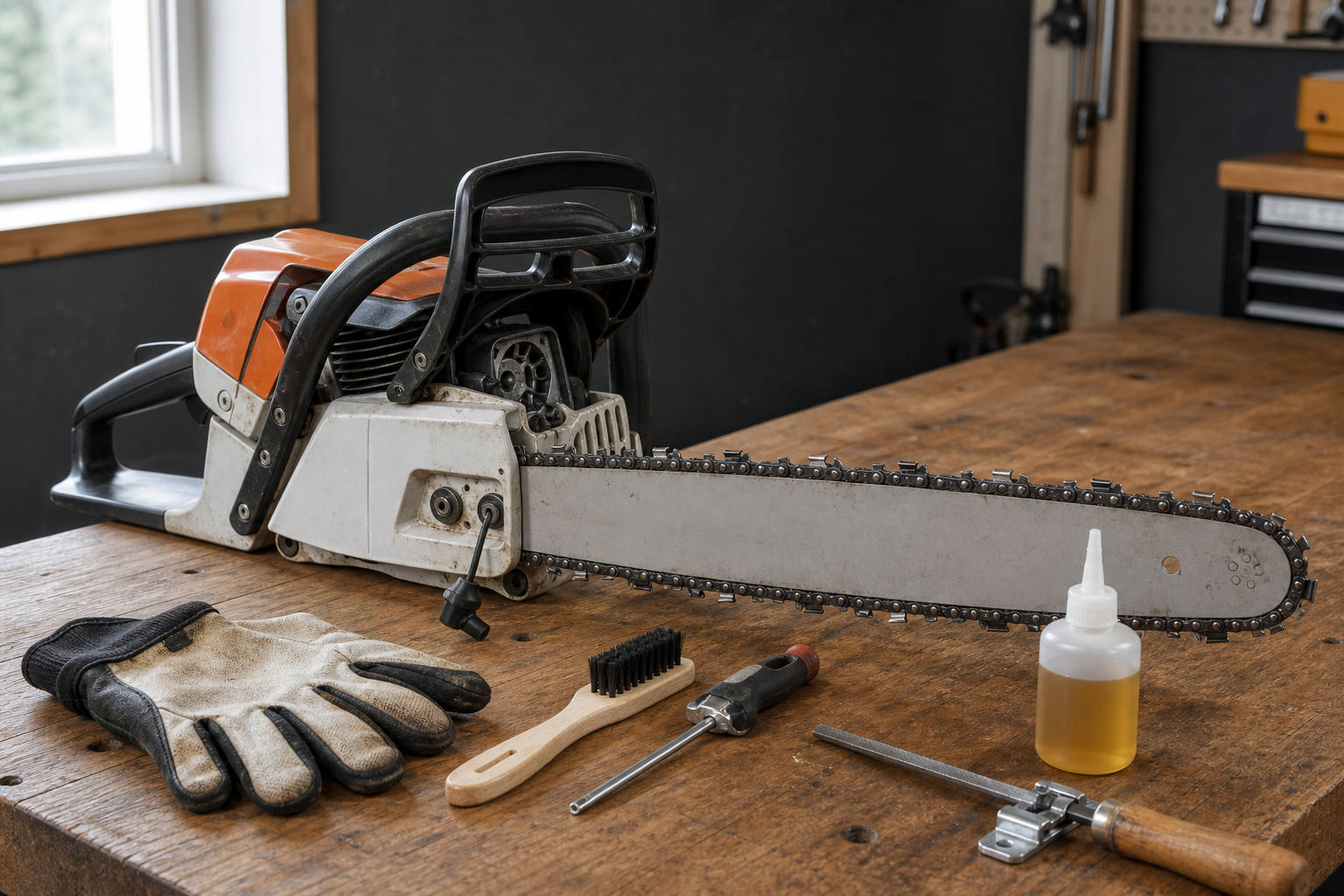
A useful chainsaw chain maintenance checklist starts with damage, then moves through cleaning, lubrication, tension, and sharpness. Do not sharpen first: a cracked component, damaged drive link, blocked oil path, or worn neighboring part needs a different response. Make the saw unable to start Let the saw cool and follow its manual before removing a cover, bar, or chain. Disconnect a corded saw, remove the battery from a battery saw, or use the petrol-saw isolation procedure specified by its manufacturer. Wear suitable gloves when handling the chain.

Read More arrow_forward
Chainsaw Sprocket Wear: Inspect Before Replacing Chainsaw Maintenance

Chainsaw Sprocket Wear: Inspect Before Replacing

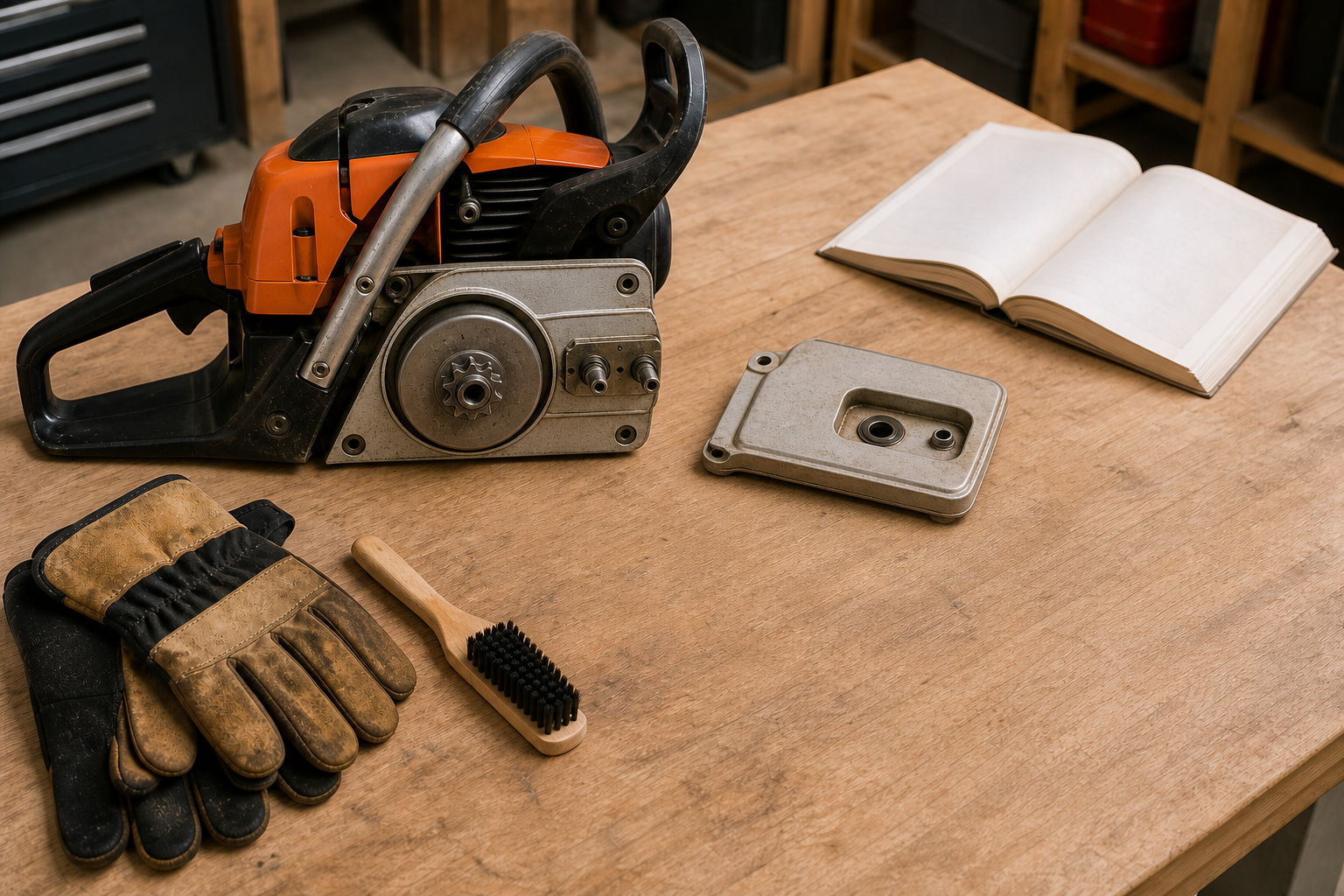
Chainsaw sprocket wear is a replacement concern when the cleaned drive surface has excessive grooves, damaged or distorted teeth, or wear beyond the limit in the saw manual. Inspect the chain’s drive links and the rest of the cutting attachment at the same time, because recurring slack or rough travel does not identify the sprocket by itself.

Read More arrow_forward
How to Choose a Chainsaw Sharpener That Fits Your Chain Buyer Guides

How to Choose a Chainsaw Sharpener That Fits Your Chain

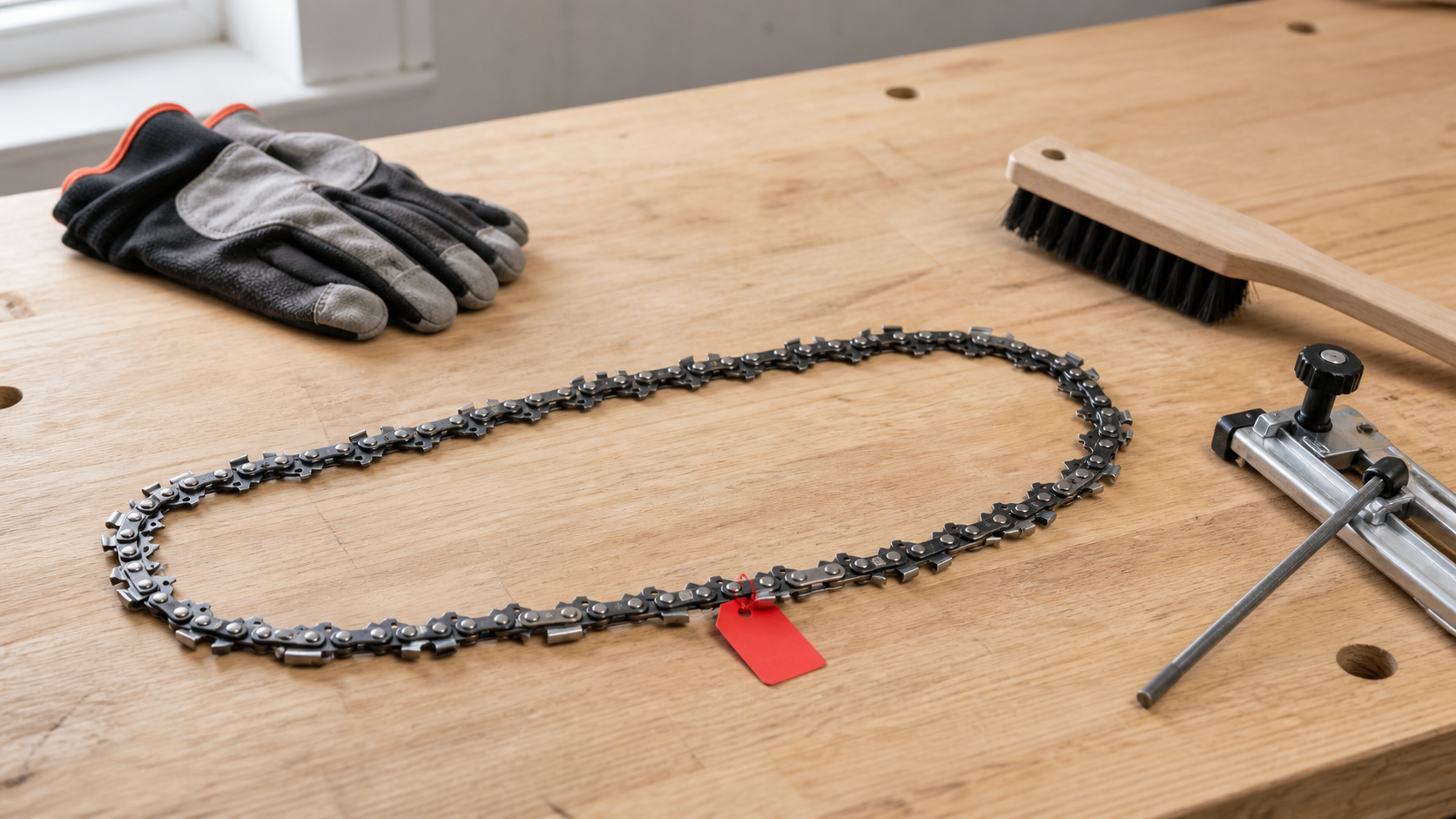
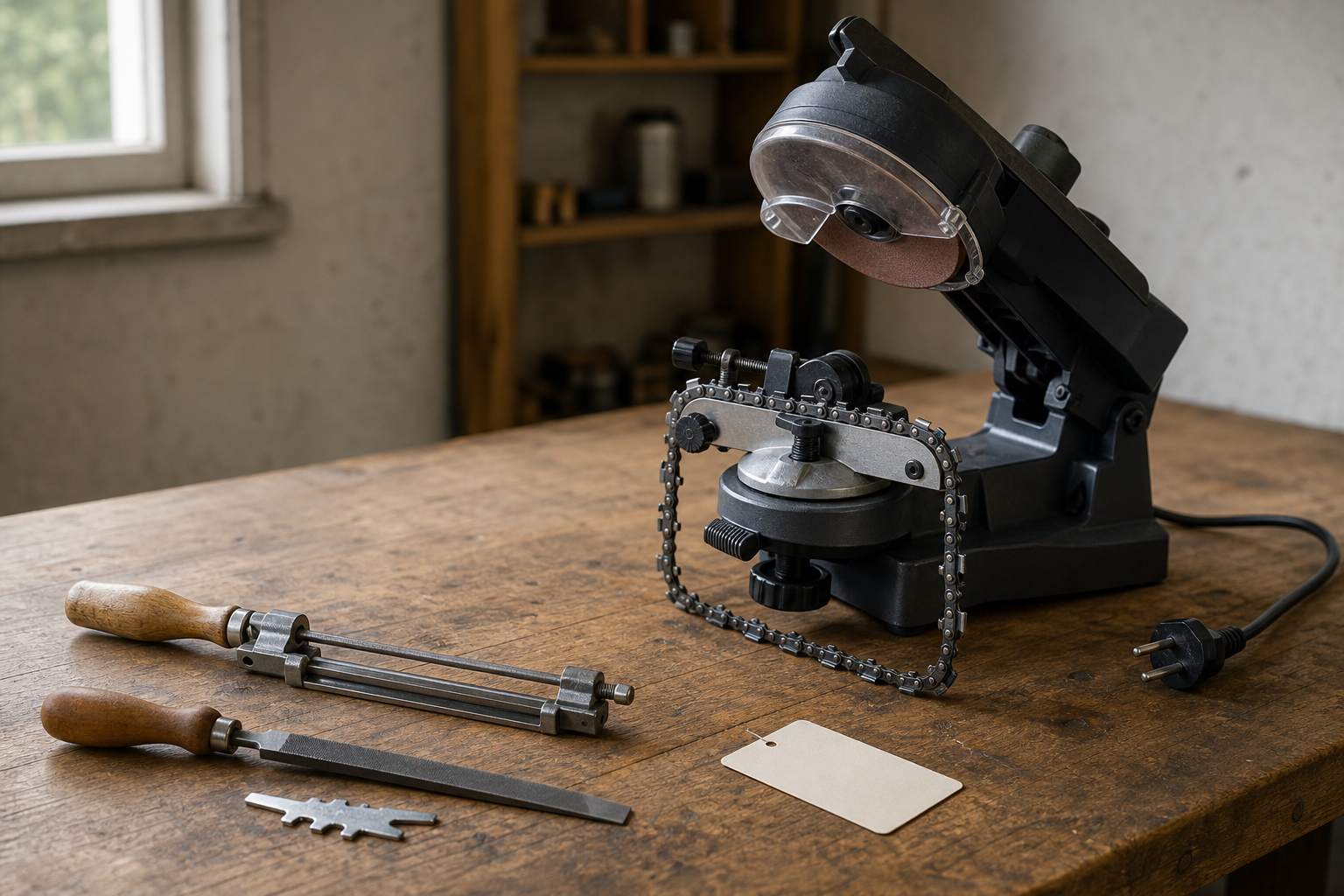
Choose a chainsaw sharpener by matching it to your exact chain first, then to where and how often you sharpen. A guided file suits occasional touch-ups; a mounted electric grinder earns its bench space when you maintain several removable chains or need a repeatable setup after heavier damage. Make a chain card before comparing tools A sharpener listing is not enough to establish a match. Record the evidence you can verify from the chain package, bar markings, saw manual, or chain manufacturer’s lookup:

Read More arrow_forward
home Home shopping_cart Shop menu_book Guides construction Tools person Account